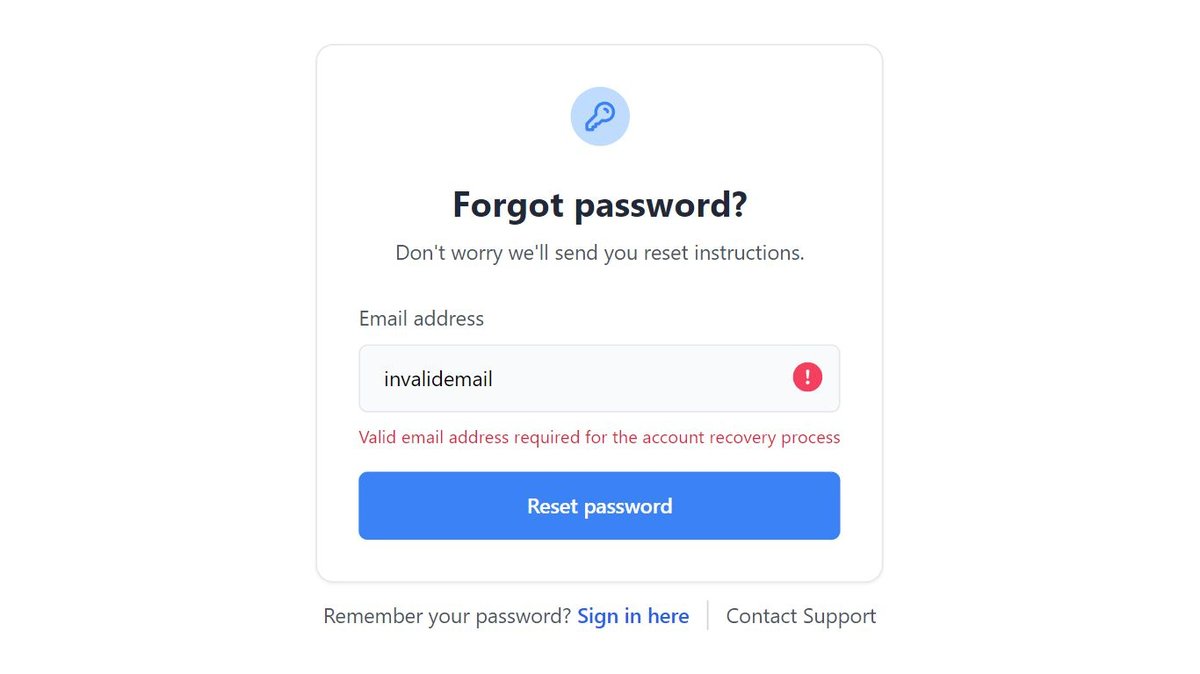
The digital keys to our lives often reside in our email and online accounts. Losing access can feel like being locked out of your own home, especially when that account is a Google Account, which often serves as the central hub for everything from email and documents to photos and smart home devices. The good news? You’re not alone, and while Google prioritizes security above all else, there are clear, proven paths for Login Troubleshooting & Account Recovery. This guide is your roadmap to regaining access, crafted to be both comprehensive and genuinely helpful, walking you through each step with the clarity you deserve.
At a Glance: Your Quick Recovery Checklist
- Patience is a virtue: There's no limit to recovery attempts, but recent changes to recovery info can cause a 7-day delay.
- Contact your admin first: If it's a work, school, or group account, they hold the keys.
- Parents can reset child accounts: If your child (under 13 or applicable age) is locked out, you can help.
- Accuracy matters: Answer all verification questions as precisely as possible.
- Familiarity helps: Use a device and location you've logged in from before.
- No phone support: Google doesn't offer direct phone assistance for sign-in issues.
- Beware third parties: Never trust or pay external services for account recovery.
The Digital Lockout: Why It Happens and Why It's Frustrating
Imagine needing to check an important email, access a crucial document, or simply scroll through photos, only to be met with "Incorrect password" or "Can't find your Google Account." It's a jarring experience, often hitting us when we're already stressed or in a hurry. The reasons for being locked out vary: a forgotten password, a changed phone number, or even suspicion that someone else has gained access.
Google's account recovery system is designed with a singular, paramount goal: security. It needs to be absolutely certain that you are the legitimate owner before granting access. This rigorous verification, while sometimes frustrating, is what protects your data from malicious actors. Understanding this "security-first" approach helps contextualize the questions and processes you'll encounter.
Your First Steps: General Recovery Principles
Before diving into specific scenarios, let's establish some foundational truths about Google Account recovery:
- No Attempt Limits: Feel free to try the recovery process multiple times. Each attempt provides Google with more data points, potentially leading to a successful recovery. Don't give up after one try!
- Work, School, or Group Accounts: If your account is managed by an organization (e.g., your employer, university, or a community group), Google's recovery tools are often bypassed. Your first and best course of action is to contact your IT administrator or the relevant support department. They have the authority and tools to reset your password or help you regain access.
- Child Accounts: For a child's Google Account (typically under 13, but check local age requirements), parents or legal guardians can usually initiate a password reset through their own linked parent account or Google Family Link settings. This gives parents crucial control over their child's digital safety.
Scenario 1: You Forgot Your Password
This is arguably the most common reason for a Google Account lockout. Don't panic; Google has a clear, guided process for this.
- Initiate Recovery: Go to the official Google Account recovery page. You'll be prompted to enter your email address or phone number associated with the account.
- Verification Questions: This is the core of the recovery process. Google will ask a series of questions to confirm your identity. These might include:
- The last password you remember using for this account.
- A verification code sent to your recovery phone or email.
- When you created the account.
- Other Google services you use (e.g., YouTube, Google Photos) and details about them.
- If you have a linked Google Voice number.
Pro Tip for Answering: - Be as accurate as possible. Even if you're unsure about a date, provide your best guess.
- Don't skip questions. Answer every question you can.
- Use a familiar device and location. If possible, attempt recovery from a computer or phone you've frequently used to sign into this Google Account, and from a location you commonly access it from (e.g., your home or office). This provides Google with a strong signal that it's truly you.
- Reset Your Password: If you successfully verify your identity, Google will prompt you to create a new password.
- Choose a strong, unique password. It should be a mix of uppercase and lowercase letters, numbers, and symbols.
- Avoid reusing passwords. Never use a password you've used before for this account, or any other account. A password manager can be incredibly helpful here.
Scenario 2: You Forgot Your Email Address (Username)
It might sound odd, but forgetting the very email address you use to sign in is more common than you'd think, especially if you have multiple accounts or haven't logged in for a while.
- Find Your Username: Navigate to Google's dedicated page for finding your username.
- Provide Identifying Information: You'll need one of two key pieces of information:
- A phone number associated with the account.
- The recovery email address you set up for the account.
- You'll also need to provide the full name on your account.
- Confirmation and Listing: Google will send a verification code to the phone number or recovery email you provided. Enter this code to confirm it's you. Once confirmed, Google will present you with a list of matching usernames associated with that phone number or recovery email. From there, you can select the correct one and proceed to sign in (or reset your password if you've forgotten that too).
When Things Get Complicated: Other Recovery Scenarios
Sometimes, the issue isn't just a forgotten credential. More serious problems require specific solutions.
Someone Else is Using Your Account (Hacked or Hijacked Account)
If you suspect your Google Account has been compromised, or you're receiving notifications of unusual activity, immediate action is crucial.
- Follow Google's Hacked Account Steps: Google has a specific recovery process for hacked or hijacked accounts. This typically involves trying to sign in, and if unsuccessful, indicating that someone else is using your account. Google will then guide you through security checks to verify your identity and help you secure the account.
- Change All Affected Passwords: If you regain access, immediately change your Google Account password to something strong and unique. Also, consider changing passwords for any other accounts that use the same or a similar password, as well as accounts linked to your Google Account (e.g., banking, social media, shopping).
- Review Security Settings: After regaining access, review your Google Account's security settings. Check linked devices, app permissions, and recovery information to ensure no unauthorized access points remain.
Recently Deleted Google Account
Mistakes happen. If you've recently deleted your Google Account, you might be able to recover it within a specific timeframe (usually a few weeks to a month, though this can vary).
- Attempt to Sign In: Go to the Google sign-in page and try to sign in with your deleted account's credentials.
- Follow Recovery Prompts: If the account is still recoverable, Google will recognize it as recently deleted and guide you through a recovery process, likely involving verification questions similar to a forgotten password scenario. Act quickly, as the window for recovery is limited.
For seamless management of your other vital financial accounts, whether it’s checking your balance or updating personal details, ensure you have your login credentials handy. For example, staying on top of your Smile Generation credit account requires similar diligence in keeping your login information secure and accessible. Each account has its own specific login and recovery procedures, but the underlying principles of verification and security remain consistent across platforms.
Crucial Factors for a Successful Recovery Attempt
Beyond the step-by-step guides, understanding the nuances of how Google assesses your identity can significantly improve your chances of success.
Location and Device Familiarity
When you attempt account recovery, Google's systems are constantly evaluating signals to determine if it's truly you. One of the strongest signals is familiarity:
- Familiar Device: Try to perform the recovery from a device (computer, phone, tablet) you frequently used to sign into that Google Account.
- Familiar Location: Attempt the recovery from a location where you commonly signed in (e.g., your home, office, or a friend's house you often visit).
These factors, combined with accurate answers, build a stronger case for your ownership. Trying to recover your account from a brand-new device in a new city might trigger additional security checks or make the process more difficult.
Answering Questions Accurately (Even Estimates Count!)
Accuracy is key, but don't let uncertainty stop you.
- Best Guesses are Better Than Blanks: If you're unsure about a date (e.g., when you created the account), provide your best estimate. Google understands that perfect recall isn't always possible.
- Consistency: Be consistent in the information you provide across different questions.
- Don't Give Up: As mentioned, there's no limit to attempts. If you fail one time, review your answers, gather more information if possible, and try again.
The 7-Day Rule: Patience When Changes Are Recent
This is a critical, often misunderstood, point. If you recently changed your recovery phone number or email address, Google implements a security delay.
- Up to 7-Day Delay: Any changes to your account recovery information can take up to 7 days to fully take effect. During this period, if you try to recover your account using the new information, the system might not recognize it yet.
- Wait and Retry: If you made recent changes, it's best to wait a few days (up to 7) before attempting recovery again. This allows Google's systems to fully update and recognize your new recovery details, significantly increasing your chances of success.
Key Pitfalls to Avoid During Account Recovery
While the journey to recovery can feel urgent, certain actions can actually hinder your progress or compromise your security further.
Do Not Call Google Support for Sign-in Issues
This is a frequently misunderstood aspect of Google's support structure.
- No Phone Support for Sign-in: Google explicitly states that they do not provide phone support for account sign-in or recovery issues. Any phone number claiming to be Google support for account recovery is likely a scam.
- Official Channels Only: Stick to the official Google Account recovery page. This is the only legitimate pathway.
Steer Clear of Third-Party Account and Password Recovery Services
The internet is rife with services promising quick and easy account recovery. These are almost always dangerous.
- Security Risk: These services often ask for your password, verification codes, or other sensitive information, which they can then use to gain unauthorized access to your account or other accounts. Google strongly advises against using them.
- No Special Access: Third-party services do not have any special "backdoor" access to Google's systems. They rely on exploiting your desperation and trust.
- Financial Risk: Many of these services charge exorbitant fees and deliver no results, leaving you out of pocket and still locked out.
Never Disclose Your Passwords or Verification Codes
Your password and any verification codes (e.g., those sent to your phone or recovery email) are the ultimate keys to your account.
- Keep Them Private: Google will never ask you to provide your password or a verification code over the phone, in an email, or through any channel other than the secure, official account recovery process initiated by you on their website.
- Guard Them Fiercely: Treat these pieces of information like the PIN to your bank account. If someone asks for them, it's a red flag.
What If All Else Fails? Charting Your Next Steps
Despite your best efforts, there might be rare instances where you simply cannot regain access to your Google Account. This can be disheartening, but it's not the end of your digital life.
When to Consider Creating a New Google Account
If you've exhausted all recovery tips, waited the appropriate time, and still cannot regain access, Google's systems have determined that they cannot confidently verify you as the owner. In such cases, the most practical solution is often to create a new Google Account.
- Fresh Start: A new account allows you to continue using Google's services.
- Data Loss: Be aware that data associated with your old, inaccessible account will likely remain locked and potentially unrecoverable. This underscores the importance of regularly backing up critical data from your Google Drive, Photos, and Gmail, and ideally having multiple recovery options set up.
Proactive Measures to Prevent Future Lockouts
Learning from past experiences is key. Set up your new account (or secure your current one) with prevention in mind:
- Strong, Unique Password: Use a password manager to generate and store complex passwords.
- Two-Factor Authentication (2FA): This is non-negotiable for robust security. Enable 2FA using:
- Security Keys: The most secure option (physical USB keys).
- Google Authenticator app: Generates time-sensitive codes.
- Backup Codes: Print these and store them in a secure, physical location.
- Prompt on your phone: A quick "Yes" or "No" push notification.
- Up-to-Date Recovery Information:
- Recovery Email: Use an email address from a different provider (e.g., Outlook, Yahoo) to avoid a single point of failure if your primary email goes down.
- Recovery Phone Number: Ensure it's current and accessible. This is vital for verification codes.
- Know Your Backup Codes: Google provides one-time backup codes for 2FA. Download and print these, keeping them in a safe place. They are lifesavers if you lose your phone.
- Regular Security Check-ups: Google provides a "Security Checkup" tool in your account settings. Use it periodically to review connected devices, app permissions, and security settings.
For Other Sign-in Problems: Google's Comprehensive Guides
Sometimes, you're not locked out, but simply encountering persistent sign-in glitches. If you're facing issues like:
- Frequent sign-out
- "Your browser is old" errors
- Account is temporarily disabled
- Issues with 2FA codes not arriving
Google offers a dedicated "Can't sign in to your Google Account" guide that delves into these specific troubleshooting steps. It's an excellent resource for resolving minor sign-in inconveniences before they escalate into full-blown lockout scenarios.
Your Secure Digital Future Starts Now
Regaining access to your Google Account after a lockout can be a stressful journey, but with the right information and a methodical approach, it's often a successful one. By understanding Google's security protocols, diligently following the recovery steps, and proactively setting up robust security measures, you're not just fixing a current problem—you're building a more resilient and secure digital life. Take control, stay vigilant, and ensure your access remains firmly in your hands.